

Post-Quantum Cryptography

Build a measurable quantum security posture. Find every quantum-vulnerable asset, fix what matters first, and migrate to post-quantum cryptography without breaking what works.
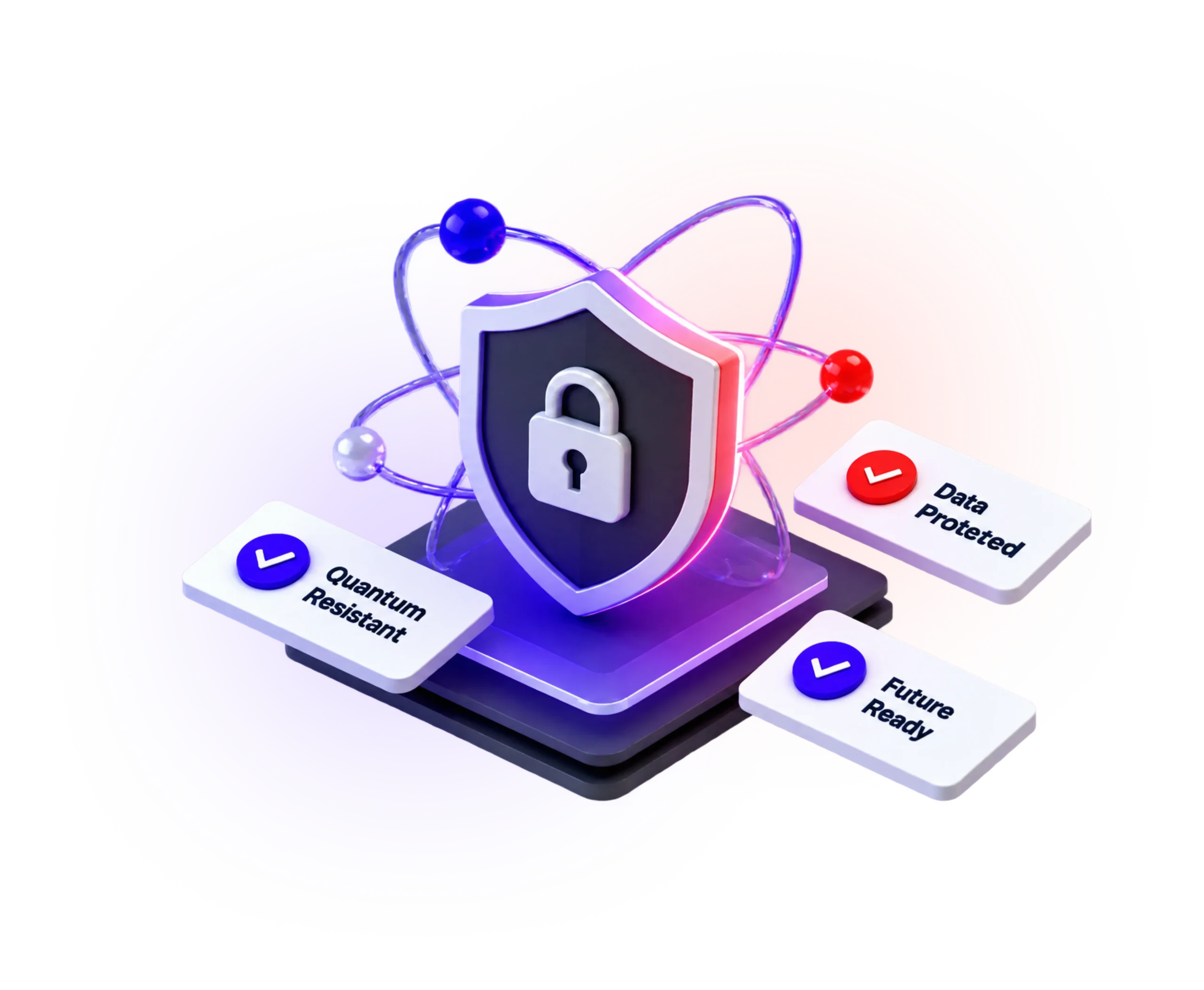
Public TLS certificate lifetimes drop to just 100 days in March 2027 and 47 days in March 2029. At that pace, manual renewal is no longer viable. The post-quantum deadlines follow close behind. U.S. Executive Order (EO) 14412 requires federal high-value and high-impact systems to use post-quantum cryptography (PQC) for key establishment by the end of 2030 and for digital signatures by the end of 2031. NIST has finalized its transition plan. RSA and Elliptic Curve Cryptography (ECC) will deprecate every key size after 2030.
The automation that handles 47-day renewals is the same foundation PQC migration runs on. Build it once and it covers both. Unlike Y2K, quantum risk can't be patched at the last minute. Adversaries are harvesting encrypted data today, and once a quantum computer can decrypt it, no fix can protect it again. The migration has to start now.
Key Milestones
AppViewX offers a comprehensive crypto-agility solution that turns quantum readiness from a one-time discovery exercise into continuous crypto posture management.

Inventory certificates, TLS configurations, cipher suites, protocols, and code libraries in one continuously updated view. Agentless-first discovery uses the Tenable and Qualys scans you already run, and imports cryptographic bills of materials (CBOMs) and software bills of materials (SBOMs) from your existing security tools.

Score every quantum-vulnerable asset by the business application it supports, with owner and data context from your configuration management database (CMDB). A payments API on TLS 1.2 gets treated differently from an internal dev tool, in line with NIST’s guidance on sensitive, long-lived data.

Open ServiceNow tickets directly from findings, grouped by remediation scope with recommended actions, and track each one to closure in Quantum Trust Hub.

Apply custom PQC policies, generate a CBOM, and give leadership a dashboard that tracks readiness against your migration timeline.
On-demand Webinar

The Quantum Readiness Clock Is Ticking: What to Do Now
Watch Now
Paul Trulove
Chief Product Officer at AppViewX

Rohan Ramesh
Director of Product Management at AppViewX
Finding quantum risk is only half the job. AppViewX CLM, PKI, SSH, and Code Signing act on what Quantum Trust Hub finds to make remediation simple, with crypto-agility built in.
Issue ML-DSA, SLH-DSA, and hybrid composite certificates from AppViewX PKI, with keys protected in your hardware security modules (HSMs). Hybrid certificates protect systems that have upgraded while legacy systems stay compatible, so there's no forced cutover.

Discover PQC certificates from any certificate authority (CA), enroll with PQC-capable CAs, and automate deployment and renewal alongside your classical certificates. When an algorithm needs to change, policy drives the swap without re-architecting the systems that depend on it.

Custom PQC policies continuously check every migrated system and catch any fallback to classical cryptography, whether from a mistake or a deliberate rollback. Audit-ready reporting shows exactly what’s protected.
Build Your Roadmap to Post-Quantum Readiness
Download the infographic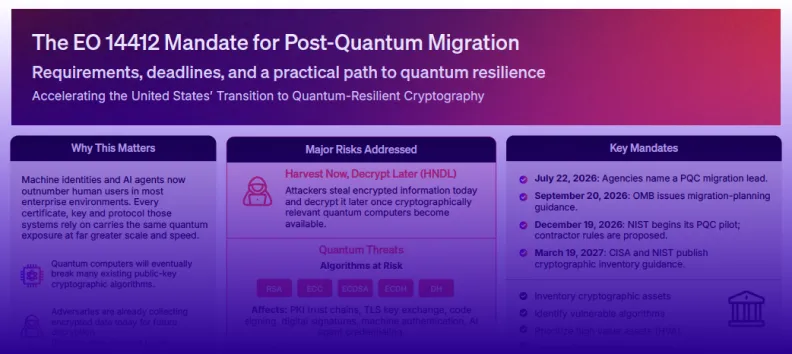
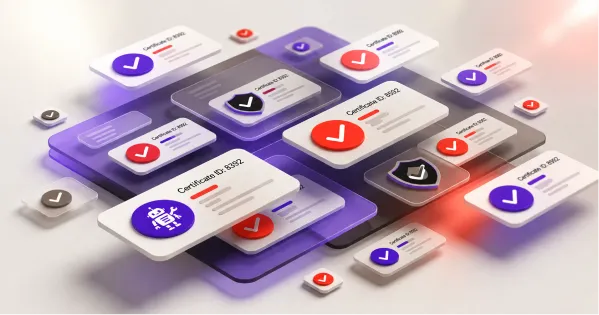
Discover TLS configurations, cipher suites, protocols, and code libraries, not just certificates. Build the inventory from the scans you already run, plus CBOM and SBOM imports.
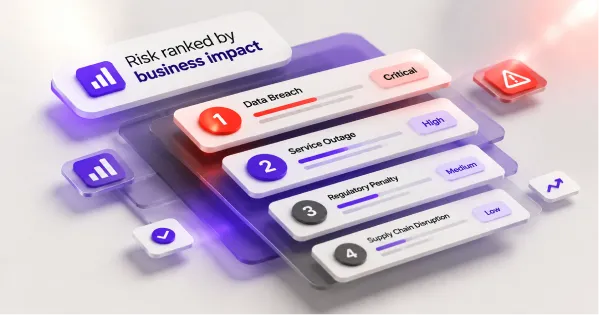
CMDB integration ties every asset to its application, owner, and data class, so prioritization reflects business exposure, not just algorithm type or key size.
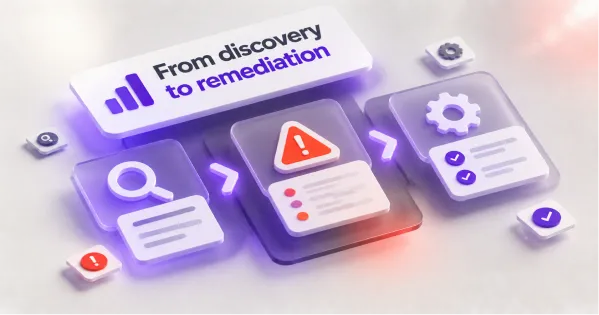
Quantum Trust Hub runs on the same AppViewX platform as CLM and PKI, so teams issue PQC and hybrid certificates and automate their lifecycle where the risk is found.
AppViewX is your partner in navigating this complex terrain, providing the tools, expertise, and solutions you need to stay secure and adaptable. Contact us today to learn more about how we can help you achieve crypto-agility and post-quantum cryptography readiness.