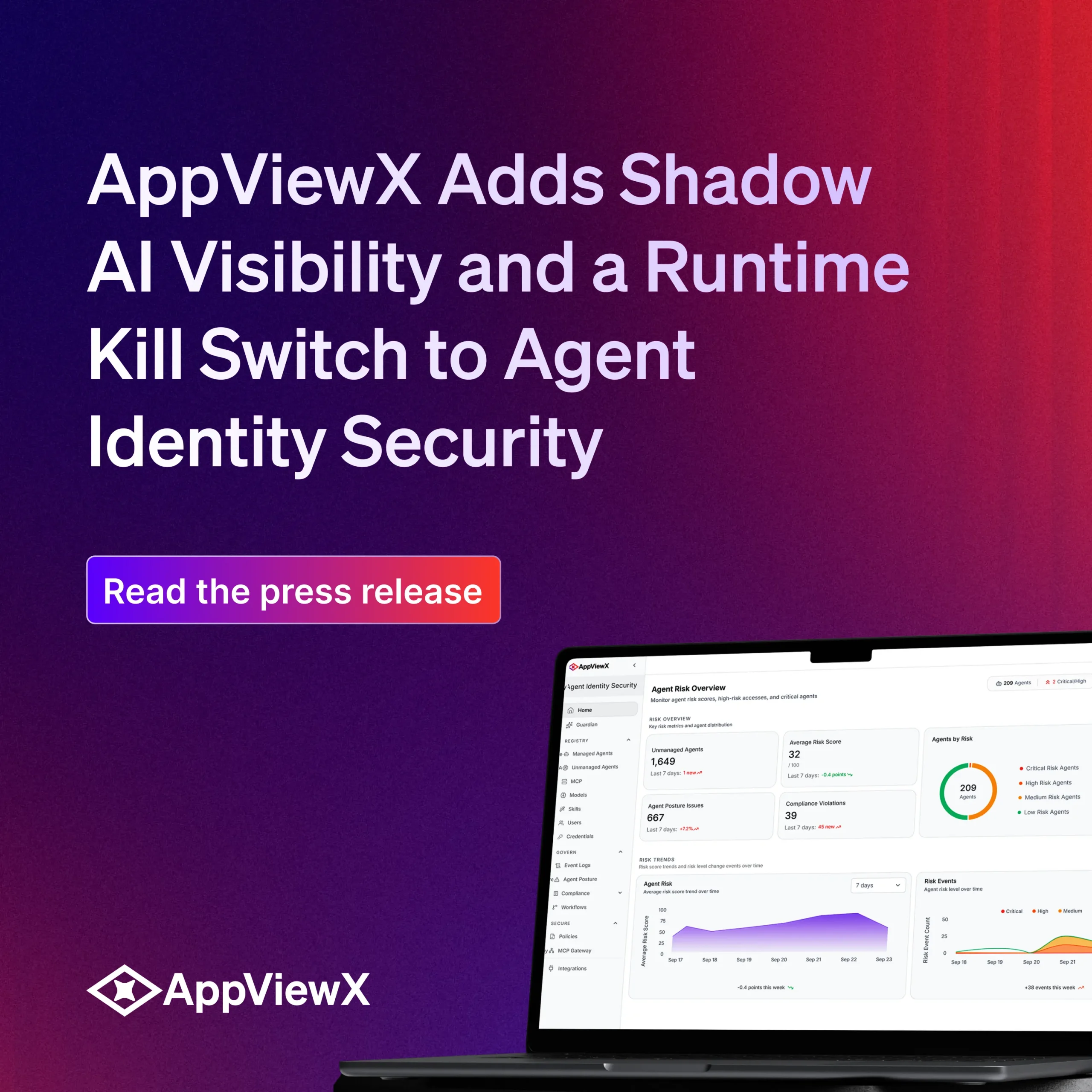
AppViewX launches latest release of Agent Identity Security|Learn More
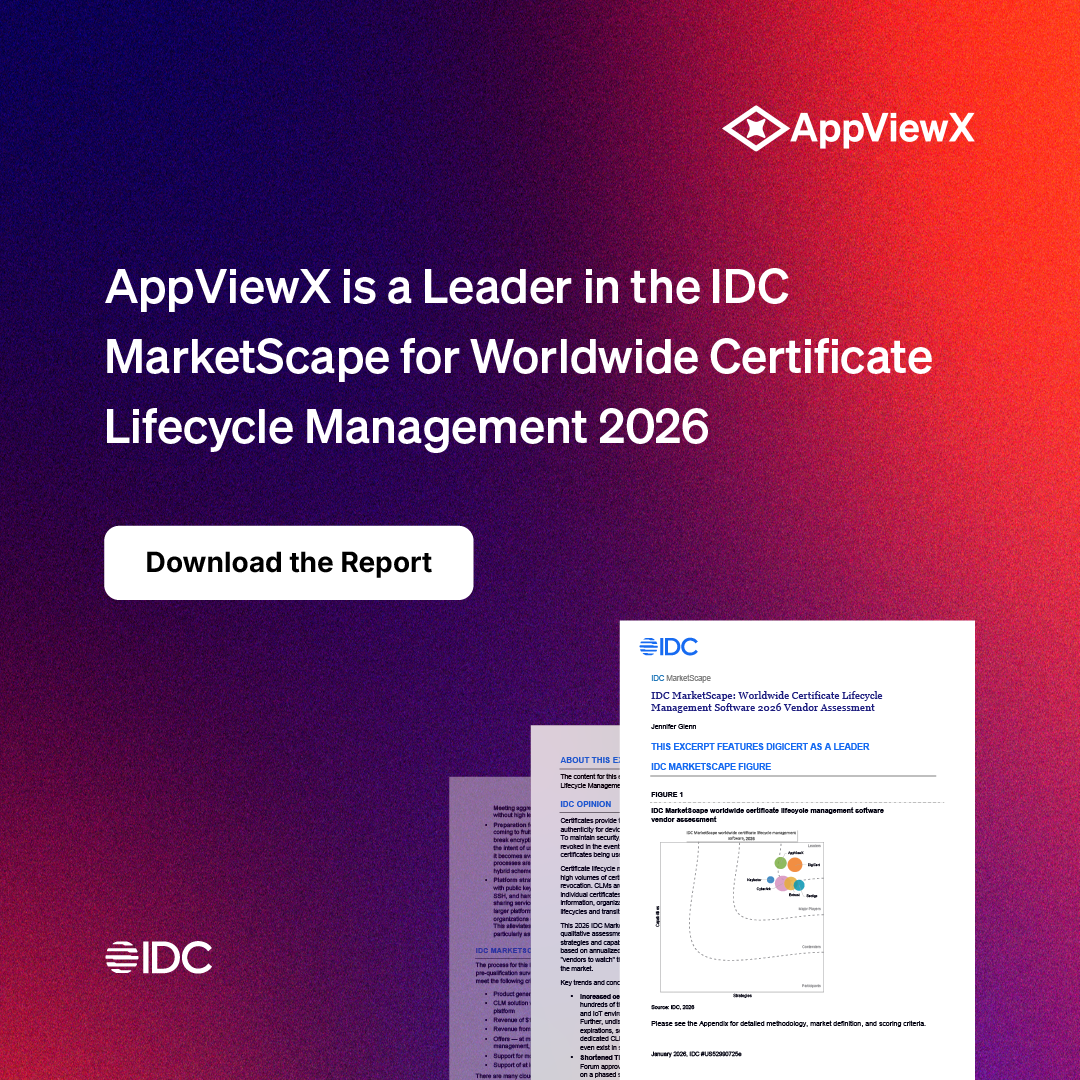
CLM
Automate Certificate Lifecycle Management. Turn machine identity risk into operational resilience. AppViewX CLM sees every certificate, automates the end-to-end lifecycle, and prepares you for the future. No CA lock-in required.
Featured
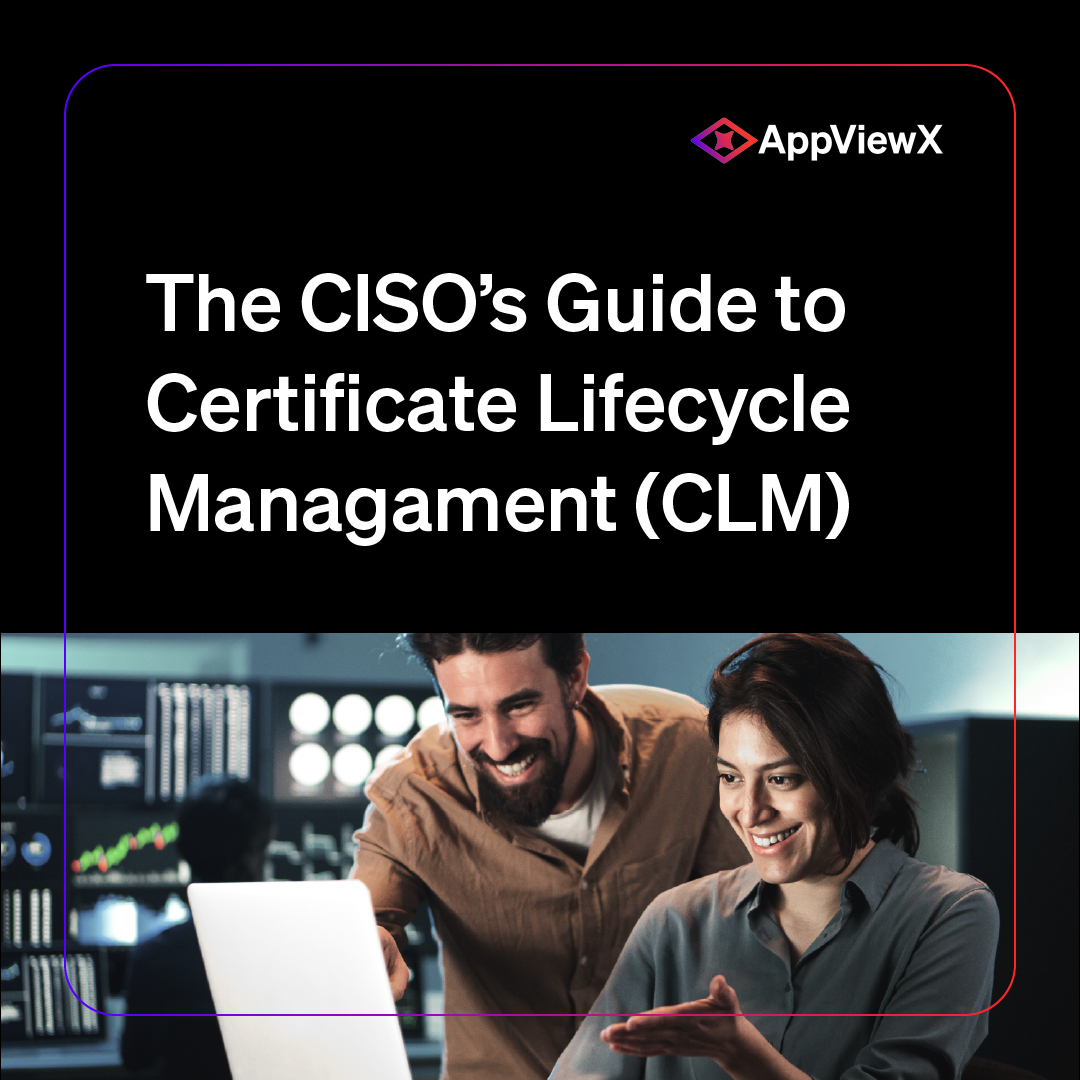
AVX CLM for Kubernetes
Align your DevOps and Security teams with easy, fast, and secure certificate lifecycle management across Kubernetes environments
Featured
Code Signing
Sign every release with confidence. Unprotected keys and inconsistent signing policies put your software supply chain at risk. AppViewX Code Signing secures keys in FIPS-certified HSMs, enforces consistent signing policies across your CI/CD pipeline, and gives security and DevOps full visibility into every signing event. Ship fast without compromising control.
Featured
The AVX Platform
One platform for a world of multiplying machine and AI agent identities. Bring together discovery, automation, control, and intelligence with the AVX platform.
Featured
PKI
Scalable, secure, quantum-ready PKI. Replace your legacy PKI with a crypto-agile, CLM-integrated platform that simplifies private certificate issuance, governance, and rotation at scale. Our PKI product helps you trade on-prem challenges and CA vendor lock-in for simplicity and agility.
Featured
SSH
Govern SSH access at scale. Unmanaged SSH keys create blind spots and open the door to unauthorized access. AppViewX SSH discovers every key and certificate, automates the full lifecycle, and keeps access aligned with people, roles, and systems. Manage SSH alongside your certificates, no separate silo required.
Featured
AppACCESS+
AppACCESS+ combines automated load balancer provisioning, management and control with CLM and DNS management to ensure application availability, access and security.

ADC
ADC lifecycle automation platform. Empowering network and app teams with self-service capabilities to automate, orchestrate, and manage application delivery services.
Featured
Agent Identity Security
Stop AI agents from privilege misuse. Ungoverned agents can lead to privilege misuse, compliance violations, and a wide range of security challenges. AppViewX’s Agent Identity Security enables enterprises to accelerate AI agent adoption without the risk.
Featured


We could't find any result!!!
Try different of less specific keyword


